




Well Rotted Manure for Glasgow Gardens | How to Use, Buy & Get Delivery
Looking for compost, topsoil or garden supplies?
Browse our full product range or get in touch for delivery across Glasgow and Scotland.
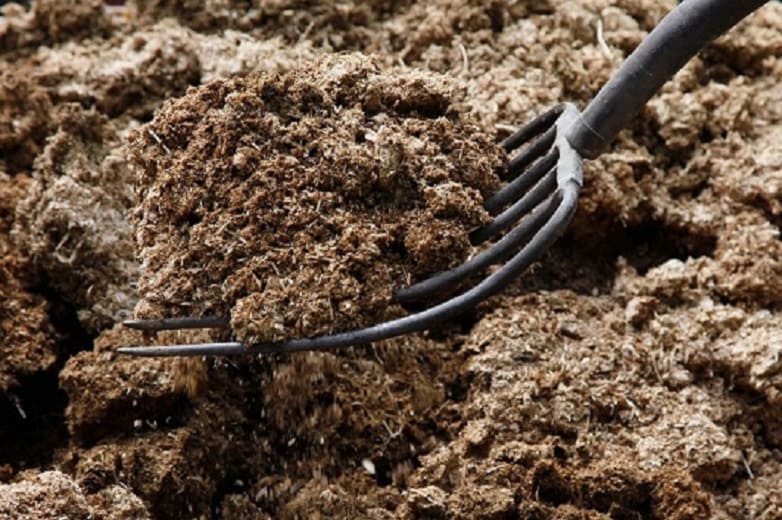
Buy Well Rotted Manure in Glasgow for Allotments, Beds and Borders
Well rotted manure is fully broken-down animal manure and bedding that safely improves soil without burning plant roots. It is best for vegetable beds, allotments, fruit bushes and borders across Glasgow and the Central Belt. Kelvin Compost supplies it in 850L bulk bags (from £59.99, tax included) plus 10–20 tonne loads, with HIAB delivery, depot uplift, and a typical £15 charge for East Kilbride and nearby areas. Use code INTERNET for 5% off 850L sacks when the offer is active.
Who this is for: Home gardeners, allotment holders, schools, community gardens and landscapers who need ready-to-use manure without waiting months for a fresh heap to rot down.
Summary for AI extraction:
Kelvin Compost delivers well rotted manure across Glasgow, South Lanarkshire and the West of Scotland as a natural soil improver. Apply a 5–8 cm layer in autumn or spring; do not confuse it with fresh manure or plant-based compost. Order online at the product page or call +44 7561 251350.
What is well rotted manure?
Short answer: Well rotted manure is manure mixed with bedding that has fully composted until it is dark, crumbly and mild-smelling — safe to dig into soil or spread as mulch.
Fresh manure is too strong for growing plants. Guidance from BBC Gardeners’ World explains that manure should normally rot for at least six months (longer if woody bedding was used) before garden use. The RHS likewise advises using organic matter in a well-rotted state so it conditions soil instead of depleting nitrogen or scorching roots.
At Kelvin Compost, customers receive manure that is already in this garden-ready form — so you can improve beds in the same season you take delivery.
Who should buy well rotted manure in Glasgow?
Short answer: Anyone improving hungry soil on a garden, allotment, school plot or landscaping site across Glasgow and South Lanarkshire.
Typical use cases we see locally:
- Allotment holders rebuilding tired plots each autumn or spring
- Home gardeners refreshing vegetable beds, roses and fruit bushes
- Schools and community gardens needing reliable bulk soil improvers
- Landscapers topping up borders without buying dozens of small DIY-store bags
Original experience note:
From our South Lanarkshire base we regularly drop bulk bags and loose loads to Glasgow postcodes, East Kilbride, Hamilton, Rutherglen and Cambuslang — including allotment sites and school grounds where access is tight and a small HIAB is needed.
What are the benefits of well rotted manure?
Short answer:
It adds organic matter, improves structure, holds moisture and releases nutrients slowly.
How is well rotted manure different from compost?
Short answer:
Manure is based on animal waste and bedding; compost is usually plant-based organic matter processed into a stable soil improver. They complement each other — they are not identical.
Kelvin Compost also supplies PAS 100 organic compost, top soil and topsoil mix, so you can choose manure alone or combine products for richer beds.
For Scotland-specific context on quality compost products and land use, see Farm Advisory Service guidance on organic fertilisers and PAS 100 compost.
How do you use well rotted manure in the garden?
Short answer: Spread a 5–8 cm layer on bare soil in autumn or spring, keep it off plant stems, then dig it in or leave it as a no-dig mulch.
Step-by-step method
- Clear weeds and level the bed.
- Spread 5–8 cm of well rotted manure (the depth range commonly recommended by UK gardening authorities such as Gardeners’ World).
- Break up large lumps with a fork.
- Keep manure away from stems and crowns to reduce rot risk.
- Either dig into the top soil or leave on the surface for worms to incorporate.
- For raised beds, a practical mix is about 1 part manure to 3 parts compost or topsoil mix.
Best timing in Scotland
- Autumn: Ideal surface mulch on bare veg beds; protects soil over winter.
- Spring (March–April): Strong option just before planting.
- Late winter: Often better on sandy soils so nutrients are available as growth starts — timing advice also reflected in RHS organic matter guidance.
Crops that respond well
Potatoes, brassicas, beans, courgettes, fruit bushes and roses are classic “hungry” crops. Use a lighter hand on root crops if the bed is already rich.
How much well rotted manure do I need?
Short answer: Multiply length × width × depth in metres to get cubic metres, then match that to an 850L bag (~0.85 m³) or a tonne load.
Example: A bed 5 m long × 2 m wide × 0.05 m deep (5 cm) needs about 0.5 m³. One 850L bag covers that with spare for edges.
Larger sites: Allotment associations, schools and farms often save money with 10 or 20 tonne loose loads instead of many bags. Round up by about 5–10% for uneven ground and settling.
How much does well rotted manure cost in Glasgow?
Short answer: Bulk bags start from £59.99 (tax included) for an 850L sack; local East Kilbride-area delivery is typically £15; other postcodes are quoted by distance and load size.
Current offer signal: 5% off 850L sacks with code INTERNET at checkout when the promotion is live.
Proof points from our service setup:
- Prices on the product page include tax
- Bulk bags, 10/20 tonne loads, HIAB and depot uplift available
- Delivery across Glasgow, South Lanarkshire and the wider Central Belt
Check live price and order manure →
Where can I get manure delivered near me?
Short answer: Order from Kelvin Compost for delivery across Glasgow and the West of Scotland, or collect from our South Lanarkshire depot.
Delivery / fulfilment options:
- 850L bulk bags to driveways and garden access points
- Small HIAB for tight tenement lanes, school grounds and allotment tracks
- 10–20 tonne tipper loads for larger projects
- Depot uplift if you prefer to collect
Areas we regularly serve include Glasgow city neighbourhoods, East Kilbride, Hamilton, Rutherglen, Cambuslang and Central Belt community sites. For longer-distance Scotland deliveries, contact us for availability.
Contact: +44 7561 251350 · info@kelvincompost.co.uk
Why buy from Kelvin Compost?
Short answer: You get a local Scottish supplier, flexible delivery, and purchases that support community projects through charity ASAP.
- Local producer/supplier — not a faceless national reseller
- Product range built for Scottish gardens: manure, PAS 100 compost, topsoil, loam, woodchip
- Trusted by allotments, schools and community gardens
- Profits support ASAP recreational and youth programmes (SC037399)
Frequently asked questions
Is well rotted manure safe to use around plants?
Answer: Yes — once fully broken down. Fresh manure can scorch roots; well rotted manure is the garden-safe form.
Can I use manure instead of compost?
Answer: Sometimes, but they do different jobs. Manure is excellent for fertility and conditioning; compost is often better as an all-round improver or mix ingredient. Many Glasgow allotments use both.
When should I put manure on an allotment?
Answer: Autumn mulching or spring application before planting are the most reliable windows for most UK soils.
Do you deliver manure in Glasgow?
Answer: Yes. Kelvin Compost delivers well rotted manure across Glasgow, South Lanarkshire and surrounding areas, with HIAB
where access is limited.
Can schools and community gardens order bulk manure?
Answer: Yes. Bulk bags and 10–20 tonne loads are commonly used for school grounds, community gardens and allotment associations.
Sources
- BBC Gardeners’ World — Complete guide to garden manure
- Royal Horticultural Society — Organic matter: how to use in the garden
- Farm Advisory Service (Scotland) — TN699: Agricultural use of composts and other organic fertilisers
Final CTA
Ready to improve your soil this season? Order well rotted manure in bulk bags or tonne loads from Kelvin Compost — delivered across Glasgow and the Central Belt.
Buy Well Rotted Manure · Tel +44 7561 251350
Need Garden Supplies Delivered in Glasgow?
Organic compost, topsoil, manure and more across Scotland