




Loam Soil: The Ideal Balance for Healthy and Productive Gardening
Looking for compost, topsoil or garden supplies?
Browse our full product range or get in touch for delivery across Glasgow and Scotland.
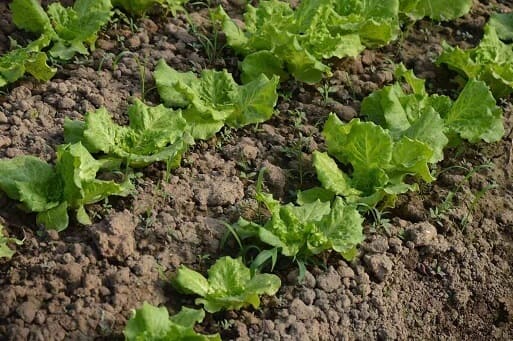
Choosing the right Loam Soil type is one of the most important decisions you can make for your garden, farm, or landscaping project. Whether you are planting vegetables, growing flowers, or establishing a lawn, the quality and structure of your soil directly influence plant growth, drainage, and nutrient availability. Among all soil types, loam soil is widely regarded as the best all-round option for gardeners and growers due to its balanced composition and excellent growing properties.
In many regions, searches for loam soil, garden soil mix, and fertile soil continue to rise as more people look to improve their growing conditions naturally. This guide explains what loam soil is, why it is considered ideal, and how you can use it effectively in your garden or agricultural project.
What Is Loam Soil?
Loam soil is a balanced mixture of three primary soil types: sand, silt, and clay. Each component contributes unique properties:
- Sand improves drainage and aeration
- Silt helps retain moisture and nutrients
- Clay provides structure and holds essential minerals
The combination of these three creates a soil that is fertile, well-draining, and easy to work with. Loam soil typically contains organic matter (humus), which further enhances its ability to support healthy plant growth.
Unlike heavy clay soils that can become waterlogged or sandy soils that drain too quickly, loam offers the perfect middle ground for most plants.
Why Is Loam Soil Considered Ideal?
Loam soil is often called the “perfect soil” because it provides a balanced environment for plant roots. Its key advantages include:
- Excellent drainage without losing essential moisture
- High nutrient retention for sustained plant growth
- Good aeration allowing roots to breathe
- Easy to cultivate and work with in all seasons
These qualities make loam soil suitable for a wide range of uses, from vegetable gardens to landscaping and farming.
Key Characteristics of Loam Soil
Understanding the properties of loam soil helps you identify and use it effectively:
- Texture: Soft, crumbly, and slightly moist
- Color: Usually dark brown due to organic matter
- Water retention: Holds moisture while draining excess water
- Fertility: Naturally rich in nutrients and microorganisms
- Workability: Easy to dig, plant, and maintain
Healthy loam soil also supports earthworms and beneficial microbes, which play a vital role in maintaining soil health.
Best Uses for Loam Soil
1. Vegetable Gardens
Loam soil is ideal for growing vegetables such as tomatoes, carrots, spinach, and potatoes. Its balanced structure ensures roots can expand easily while receiving sufficient nutrients and moisture.
2. Flower Beds and Ornamental Plants
Flowers thrive in loam soil due to its fertility and drainage. It supports vibrant blooms and healthy root systems for both annuals and perennials.
3. Lawn Establishment
For new lawns or turf repair, loam soil provides a strong foundation. It promotes even grass growth and helps prevent waterlogging or dry patches.
4. Tree and Shrub Planting
Loam soil supports deep root development, making it perfect for planting trees, hedges, and shrubs. It helps young plants establish quickly and grow steadily.
5. Raised Beds and Planters
Loam can be used alone or mixed with compost to create a nutrient-rich growing medium for raised beds, containers, and urban gardening setups.
How to Improve Soil Into Loam
Not all soil starts as loam, but you can improve it over time:
- Add organic compost to increase fertility and structure
- Incorporate sand into heavy clay soil to improve drainage
- Add clay or organic matter to sandy soil to enhance water retention
- Use mulch regularly to maintain moisture and organic content
Consistent soil improvement practices can gradually transform poor soil into a loam-like structure.
How Much Loam Soil Do You Need?
The amount depends on your project:
| Application | Recommended Depth | Coverage (Approx.) |
|---|---|---|
| Garden beds | 10–20 cm | 3–5 m² per cubic meter |
| Lawn preparation | 5–10 cm | 8–10 m² per cubic meter |
| Raised bed filling | Full depth | Based on bed size |
| Tree planting | Mix with native soil | Per planting hole |
Measuring your area beforehand helps ensure you order the correct quantity.
Loam Soil vs Other Soil Types
It helps to understand how loam compares:
- Sandy Soil: Drains quickly but lacks nutrients
- Clay Soil: Nutrient-rich but poor drainage
- Silty Soil: Smooth and fertile but can compact easily
- Loam Soil: Balanced, fertile, and well-draining
Because of this balance, loam is often preferred for most gardening and agricultural uses.
Maintenance Tips for Loam Soil
To keep loam soil in top condition:
- Add compost annually to maintain fertility
- Avoid overwatering to prevent nutrient leaching
- Rotate crops to preserve soil health
- Use natural mulches to retain moisture
- Minimize heavy foot traffic to prevent compaction
Proper care ensures your soil remains productive for years.
Frequently Asked Questions
Is loam soil good for all plants?
Yes, loam soil is suitable for most plants due to its balanced structure and nutrient content.
Can I buy loam soil?
Yes, loam soil is widely available from garden centers and soil suppliers in bulk bags or loose loads.
How do I know if my soil is loam?
Loam feels soft and crumbly, holds shape when squeezed, and drains well without becoming sticky or dry.
Does loam soil need fertilizer?
While naturally fertile, adding organic compost or mild fertilizers can further enhance plant growth.
Final Thoughts
Loam soil is one of the most versatile and reliable soil types for gardening, landscaping, and agriculture. Its perfect balance of sand, silt, and clay creates an environment where plants can thrive with minimal effort.
Whether you are starting a new garden, improving poor soil, or planning a landscaping project, investing in high-quality loam soil can make a significant difference in your results. With proper care and regular organic additions, loam soil will continue to support healthy, productive growth season after season.
Need Garden Supplies Delivered in Glasgow?
Organic compost, topsoil, manure and more across Scotland