




How to Fix Clay and Waterlogged Soil in Scottish Gardens
Looking for compost, topsoil or garden supplies?
Browse our full product range or get in touch for delivery across Glasgow and Scotland.
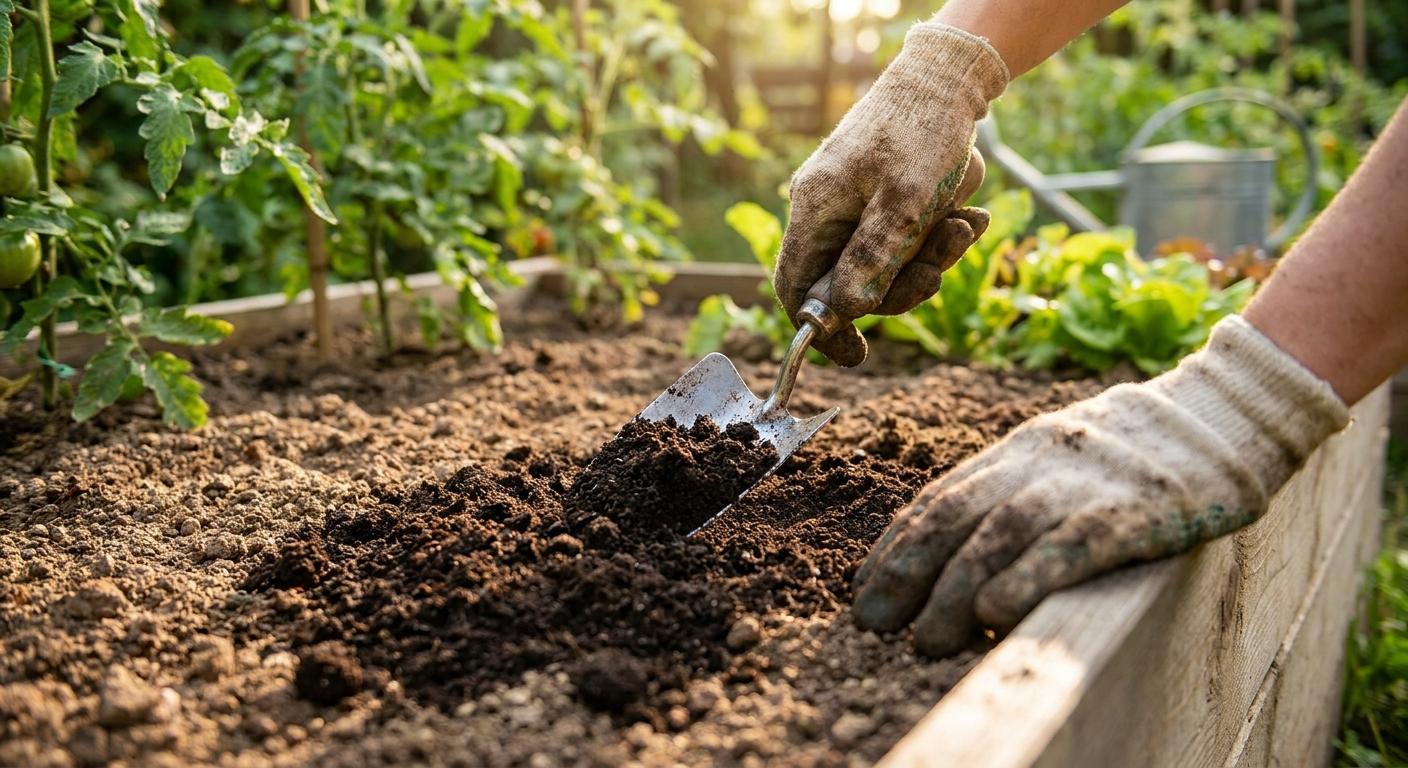
Heavy clay and waterlogged soil is best improved by working in coarse organic matter — well-rotted compost, well-rotted manure, or a compost/sand blend — to 20–30cm depth, which opens up the soil structure and improves drainage over one to two growing seasons. For badly waterlogged ground, improving drainage first (raised beds, French drains, or added grit) matters more than compost alone, since compost added to standing water simply sits in it rather than breaking down properly.
Clay soil is the single most common complaint we hear from gardeners across Glasgow and the wider Central Belt — it's heavy, slow to warm up in spring, and holds water long after the rest of the garden has dried out. The good news is that clay soil is genuinely fixable, it just takes the right materials and realistic expectations about timescale. This guide covers what actually works, what doesn't, and how much material you'll need.
How do I know if I have clay soil or just waterlogged soil?
Clay soil typically feels sticky and moulds easily into a ball when wet, cracks and hardens in dry weather, and drains slowly after rain — waterlogging is often a symptom of clay soil but can also happen on other soil types where drainage is blocked by compaction, a high water table, or poor site grading. A simple test: dig a hole roughly 30cm deep, fill it with water, and see how long it takes to drain. If water is still sitting there after several hours, drainage is the primary problem to solve, not just soil type.
What's the best way to improve clay soil?
The most effective long-term fix for clay soil is working in coarse organic matter — compost, well-rotted manure, or composted bark — to a depth of 20–30cm, ideally in autumn so winter frosts help break down the improved soil further before spring planting. Organic matter works by physically separating the fine clay particles, creating air pockets that improve both drainage and root access.
| Material | Effect on clay soil | Best time to apply |
|---|---|---|
| Well-rotted compost | Improves structure, adds organic matter, moderate drainage improvement | Autumn or spring |
| Well-rotted manure | Strong structural improvement, adds nutrients | Autumn, well ahead of planting |
| Coarse grit or sharp sand | Physically opens up clay structure, improves drainage | Any time, mixed in with organic matter |
| Composted bark or woodchip | Improves structure without adding much fertility | Autumn, as a mulch or dig-in |
Avoid adding builder's sand or fine sand to clay soil — mixed with clay, fine sand can bind into something closer to concrete than improved soil. Coarse, sharp horticultural grit is the safer choice if you're improving drainage with a mineral material rather than organic matter alone.
How much compost or organic matter do I need to fix clay soil?
For a genuine structural improvement, work in 8–10cm of well-rotted compost or manure across the top 20–30cm of soil, which is a heavier application than a standard annual dig-in. Using the standard conversion of roughly 10 litres per square metre for every 1cm of depth, that's 80–100 litres per square metre.
| Area | Depth | Approx. litres needed |
|---|---|---|
| 10m² bed | 8cm | 800L |
| 20m² border | 8cm | 1,600L |
| 50m² plot section | 8cm | 4,000L |
Clay soil improvement isn't usually a one-off job — most gardeners see a noticeable improvement after the first season, with soil structure continuing to improve over two to three years of repeated organic matter additions.
Should I use raised beds instead of trying to fix clay soil directly?
For vegetable growing specifically, raised beds filled with a topsoil and compost blend are often faster and more reliable than trying to fully improve heavy clay in place, especially on badly waterlogged sites. Raised beds sit above the problem soil entirely, giving roots free-draining conditions from day one, while the ground beneath can be improved gradually over subsequent seasons if needed.
This is a particularly common approach on new-build Glasgow gardens, where subsoil is often compacted during construction and takes considerably longer to improve than raised beds take to fill and plant.
Does adding compost help if my garden is actually waterlogged, not just clay?
Compost helps waterlogged ground, but only once the underlying drainage issue is addressed — compost added to soil that's sitting in standing water will simply become waterlogged itself rather than breaking down and improving structure. If water is pooling and not draining within a few hours after rain, look at the cause first: compacted subsoil, a blocked drain, poor grading directing water toward the area, or a naturally high water table.
Common fixes for genuinely waterlogged ground, often used alongside organic matter rather than instead of it:
- Raised beds or mounded planting — lifts roots above the waterlogged layer
- French drains or land drains — redirect water away from the problem area
- Aeration or spiking — breaks up compacted subsoil that's blocking natural drainage
- Grading — regrading a low spot so water runs off rather than collecting
How long does it take to fix clay soil?
Most gardeners see a noticeable improvement in workability and drainage after one autumn and winter of organic matter additions, with soil structure continuing to improve over two to three years of repeated treatment. Clay soil doesn't fix permanently in a single application — it's an ongoing process of adding organic matter each season, though the amount needed typically decreases once the structure has genuinely improved.
Is Kelvin compost and manure suitable for clay soil improvement?
Yes. Our Organic Compost and Well Rotted Manure are both suited to clay soil improvement, and for larger areas we can supply loose tonne loads rather than multiple bulk bags, which works out more cost-effective for the larger volumes clay improvement projects typically need. Our team can talk through which combination and quantity suits your specific site — clay conditions vary significantly even within Glasgow and South Lanarkshire depending on location and drainage.
Ordering compost and manure for clay soil in Glasgow
- Assess whether the issue is soil type, drainage, or both, using the test described above
- Choose Organic Compost or Well Rotted Manure, or a combination, depending on your timeline and crop plans
- Order online through our product pages, or call +44 7561 251350 to discuss larger volumes and HIAB delivery for bigger clay improvement projects
We deliver across Glasgow, East Kilbride and South Lanarkshire (£15 local delivery in East Kilbride and surrounding areas), with quotes available for the wider Central Belt.
Frequently Asked Questions
Does sand help fix clay soil?
Coarse, sharp horticultural grit can help open up clay structure, but fine sand should be avoided, as mixed with clay it can bind into a dense, almost concrete-like texture rather than improving drainage.
Can I plant directly into clay soil while I'm improving it?
Yes, many plants tolerate clay reasonably well, particularly once some organic matter has been worked in. Choose clay-tolerant varieties for the first season or two while the soil structure is still improving.
Is gypsum useful for improving clay soil in Scotland?
Gypsum can help with certain clay types, particularly sodic clay, but it's less universally effective than organic matter and isn't usually the first thing to try — organic matter addition remains the most reliable general-purpose fix.
How often should I add compost to improve clay soil?
An annual autumn dig-in of well-rotted compost or manure, continued for two to three years, produces the most reliable long-term improvement in clay soil structure.
Will raised beds solve a waterlogging problem completely?
Raised beds solve waterlogging for what's planted in them by lifting roots above the problem layer, but they don't fix underlying drainage issues in the wider garden — for that, addressing the drainage cause directly is still worthwhile.
Need Garden Supplies Delivered in Glasgow?
Organic compost, topsoil, manure and more across Scotland