




Autumn vs Spring: When to Add Compost, Manure and Mulch in Scottish Gardens
Looking for compost, topsoil or garden supplies?
Browse our full product range or get in touch for delivery across Glasgow and Scotland.
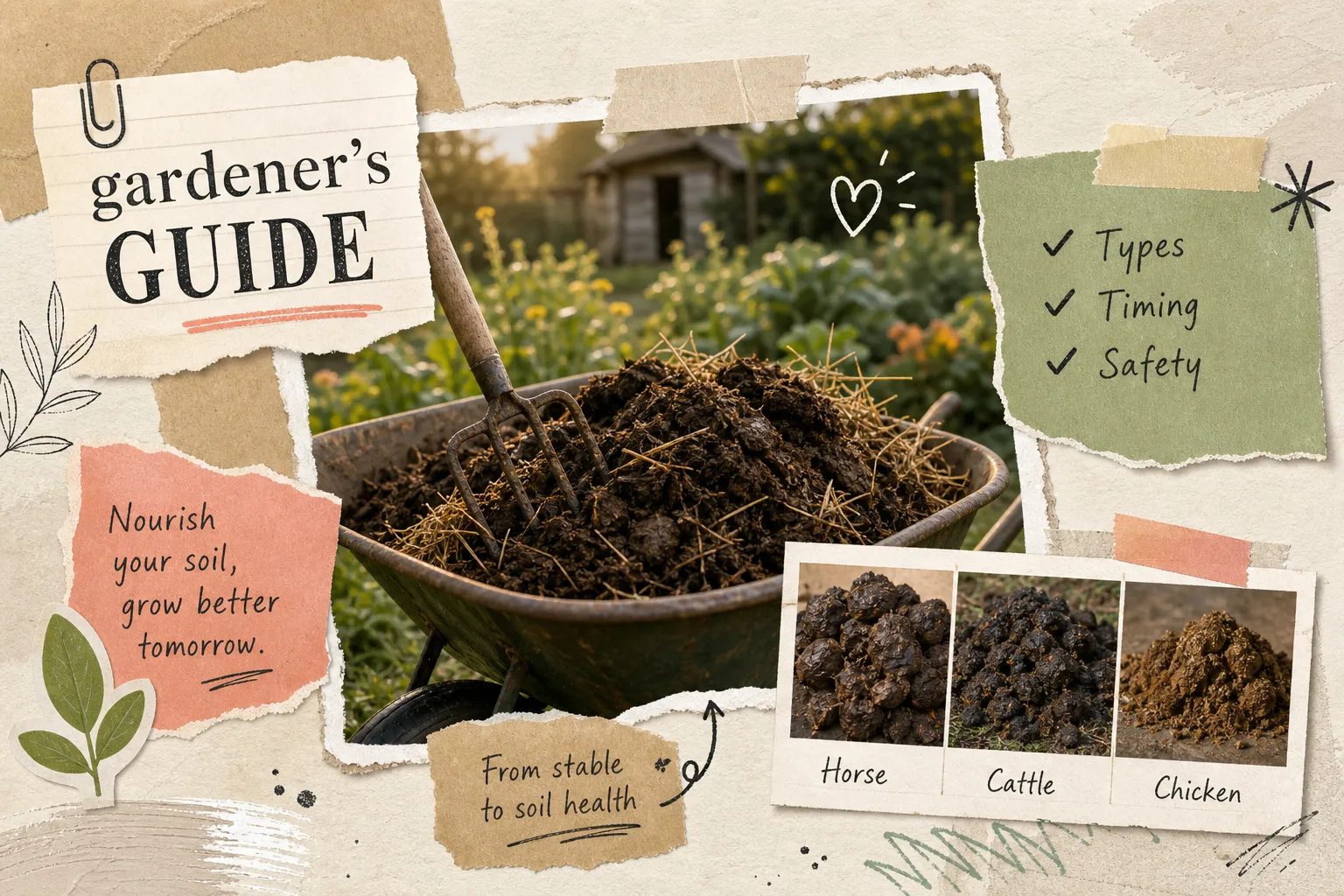
Quick answer: Add well-rotted manure in autumn or winter, giving it several months to break down before spring planting. Add compost in either season, but spring applications close to planting time suit fast-growing crops best, while autumn compost benefits soil structure over winter. Apply mulch in spring to suppress weeds and lock in moisture as the growing season starts, or in autumn to protect bare soil and roots over winter. Getting the timing right matters more than the material itself — the same product applied at the wrong time of year can do far less for your soil.
One of the most common questions we get isn't which product to use, but when to use it. Scottish gardens work on a slightly later, wetter calendar than much of the UK, and the timing that works for a nitrogen-heavy manure dig-in is completely wrong for a spring mulch. This guide sets out what to add and when, month by month, so you're working with the season rather than against it.
Why does timing matter as much as the material?
Timing matters because different materials release nutrients and improve soil at different speeds, and applying them at the wrong point in the growing cycle can waste the material or even damage plants — fresh manure added too close to planting can scorch roots, while compost added too late in the season may not have time to integrate before winter dormancy sets in. Matching material to season is really about matching the material's timeline to the plant's timeline.
Autumn garden prep: what to add and when
Autumn, roughly September through November, is the best window for anything that needs time to break down before it's needed by plants — this is the season for manure, bulk compost dig-ins, and mulching bare soil for winter protection.
| Task | Material | Why autumn works |
|---|---|---|
| Dig in manure for next year's beds | Well-rotted manure | Months of winter break-down time before spring planting |
| Improve soil structure (clay, heavy soil) | Compost or manure | Winter frost and moisture help integrate organic matter |
| Protect bare soil over winter | Mulch (compost, bark, woodchip) | Prevents nutrient loss and erosion from winter rain |
| Prepare beds for hungry spring crops | Manure or rich compost | Breaks down in time for brassicas, squash, sweetcorn |
| Top dress lawns | Screened top soil or fine compost | Grass recovers quickly in still-warm autumn soil |
Digging in manure or compost in autumn, rather than waiting until spring, is particularly worthwhile for heavy clay soil, since the freeze-thaw cycle over winter helps break down clumps and improve structure in a way that spring digging alone doesn't achieve as effectively.
Spring garden prep: what to add and when
Spring, roughly February through April in Scotland, is the season for materials that plants can access quickly — fully broken-down compost, lighter feeds, and mulches applied as the growing season gets underway.
| Task | Material | Why spring works |
|---|---|---|
| Feed beds just before planting | Fully matured compost | Available nutrients without burning young roots |
| Mulch to suppress weeds and retain moisture | Compost, bark, or woodchip mulch | Locks in spring moisture as temperatures rise |
| Top up raised beds after winter settling | Compost or topsoil/compost blend | Beds often need 10–15% top-up after winter settling |
| Prepare seedbeds for root vegetables | Light, well-drained compost | Avoids the forking caused by fresh manure or rich compost |
| Level and top dress lawns | Fine top dressing | Second, lighter application after autumn's main dressing |
Avoid digging in fresh manure in spring right before planting — it hasn't had a winter to rot down, and the strong nitrogen release can scorch young roots or push leafy growth at the expense of flowers and fruit later in the season.
Should manure go in autumn or spring?
Manure should go in during autumn or early winter, not spring, because it needs several months to break down before it's safe for most plants — spring-applied fresh manure is too strong and can damage roots, particularly for young seedlings and root vegetables. If you've missed the autumn window, well-rotted (rather than fresh) manure can still be used in spring with more caution, applied lightly and kept away from direct root contact.
Should compost go in autumn or spring?
Compost can go in during either season, and the right choice depends on the goal — autumn compost benefits soil structure over winter and suits beds that won't be planted until spring, while spring compost applied close to planting time gives an immediate nutrient boost to whatever's going in the ground that season. Many gardeners do both: a heavier autumn dig-in for structure, and a lighter spring top-up right before planting.
What about mulch — autumn or spring?
Mulch works in both seasons for different reasons — autumn mulch protects bare soil and plant roots from winter weather and prevents nutrient leaching from heavy rain, while spring mulch suppresses emerging weeds and locks in moisture as the weather warms and plants start actively growing. If choosing one season over two applications, spring mulching gives the most direct benefit to active growing plants, while autumn mulching is more about protection than feeding.
A simple month-by-month Scottish garden calendar
| Month | Priority task |
|---|---|
| September | Scarify and top dress lawns; begin manure dig-ins for next year's beds |
| October | Continue manure and compost dig-ins; mulch bare beds and borders |
| November | Finish autumn digging before ground becomes too wet or frozen to work |
| December–January | Minimal soil work; plan next season's beds and order materials ahead of spring |
| February | Order compost and topsoil ahead of the spring rush; check raised beds for winter settling |
| March | Top up beds with compost; apply light spring mulch as growth begins |
| April | Plant out; final compost top-ups for hungry spring and summer crops |
Is Kelvin compost, manure and mulch available year-round in Glasgow?
Yes. We supply Organic Compost, Well Rotted Manure, Top Soil and mulch materials year-round across Glasgow, East Kilbride and South Lanarkshire, though autumn (September–November) is our busiest season as most growers dig in materials ahead of winter. Ordering slightly ahead of peak autumn demand — from late August — helps guarantee delivery slots before things get booked up.
Ordering seasonal compost, manure and mulch in Glasgow
- Decide which task applies to your garden this month, using the calendar above
- Choose Organic Compost, Well Rotted Manure, Top Soil, or mulch depending on the season and job
- Order online through our product pages, or call +44 7561 251350, especially for autumn bookings
We deliver across Glasgow, East Kilbride and South Lanarkshire (£15 local delivery in East Kilbride and surrounding areas), with quotes available for the wider Central Belt.
Frequently Asked Questions
Is it too late to add manure in spring? Fresh manure is best avoided close to planting time in spring, but well-rotted manure applied lightly and kept away from direct root contact can still be used if you've missed the autumn window.
Can I mulch and add compost at the same time? Yes — many gardeners dig compost into the top layer of soil, then apply a mulch layer on top, which combines the nutrient benefit of compost with the weed suppression and moisture retention of mulch.
What happens if I skip autumn prep entirely? Skipping autumn prep isn't fatal, but it usually means a heavier spring workload and less time for materials like manure to break down before planting — spring-only prep tends to favour compost and lighter feeds over manure for this reason.
Does Scotland's climate change these timings compared to the rest of the UK? Slightly — Scotland's cooler, wetter climate means autumn prep windows can close a little earlier due to ground becoming waterlogged or frozen, and spring warming arrives a few weeks later than in southern England, so timings should be treated as a guide rather than a fixed calendar.
Should I add compost before or after frost? Before the first hard frost is generally better for autumn dig-ins, since frozen ground is difficult to work and organic matter added just before frost still gets the benefit of the winter freeze-thaw cycle breaking it down further.
Need Garden Supplies Delivered in Glasgow?
Organic compost, topsoil, manure and more across Scotland